

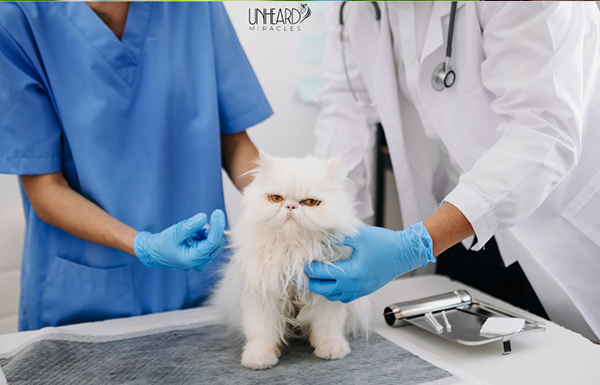
Signs It’s Time to Take Your Cat to the Vet: 10 Warning Signs Every Cat Parent Should Know
If your cat could tell you they weren’t feeling well, would you know what to listen for?
Perhaps your usually playful little companion has become unusually quiet. Maybe they’re spending more time hiding beneath the bed, leaving their favourite food untouched, or visiting the litter box more often than usual.
You might find yourself thinking, Perhaps they’re just having an off day. Maybe I’m worrying too much.
And sometimes, a small change really is nothing serious. But when it comes to our cats, it’s always worth paying attention.
Unlike us, cats can’t explain where it hurts, tell us when they feel nauseous, or let us know that something doesn’t feel right. Instead, they communicate through their behaviour, their appetite, their body language, and the little routines we know so well.
As someone who believes deeply in listening to animals, I feel this is one of the most important things we can learn as cat parents: sometimes, the smallest changes are the ones that deserve our attention the most.
Cats are remarkably good at hiding signs of illness or discomfort. By the time a problem becomes obvious, they may already need medical attention.
So, let’s talk about ten warning signs to look out for, what they might mean, and when it’s time to seek help from your veterinarian.
1. Your Cat Is Losing or Gaining Weight Without Explanation
Have you noticed that your cat feels lighter when you pick them up? Or perhaps their little body seems heavier than it used to be, even though their food and routine haven’t changed.
Unexplained weight changes are worth investigating.
Weight loss can sometimes be associated with conditions such as hyperthyroidism, diabetes, kidney disease, or other illnesses. Unexpected weight gain can also be a concern, particularly if it happens gradually and goes unnoticed.
You might not notice the difference straight away, especially if you see your cat every day. That’s why occasional weigh-ins can be helpful.
What you can do: If your cat is losing or gaining weight without an obvious explanation, arrange a veterinary appointment. Your vet can assess their body condition and determine whether further tests are needed.
Your cat doesn’t have to look visibly unwell for a change in weight to matter.
2. Your Cat Is Vomiting or Has Diarrhoea
Most cat parents know the unmistakable sound of a cat being sick. And yes, occasional vomiting can happen, including when a cat brings up a hairball.
But there’s an important difference between an isolated episode and a pattern that keeps returning.
Repeated vomiting, persistent diarrhoea, blood in vomit or stool, or episodes accompanied by weakness, pain, or a loss of appetite should never be brushed aside.
These symptoms can have many possible causes, from gastrointestinal problems to infections, parasites, toxin exposure, or other underlying conditions.
It’s tempting to assume that vomiting is simply part of being a cat. But frequent vomiting isn’t something you should automatically consider normal.
What you can do: Contact your vet if vomiting or diarrhoea persists, recurs, or is accompanied by other changes. Seek urgent veterinary advice if your cat cannot keep water down, seems severely unwell, has blood in their vomit or stool, or may have swallowed something toxic or dangerous.
And please don’t give your cat human medication unless your veterinarian specifically instructs you to do so.
3. Your Cat Is Eating Less, Refusing Food, or Suddenly Acting Hungry All the Time
Does your cat usually come running when they hear the sound of their food being prepared, only to turn away when you put the bowl down?
Or perhaps they’re eating much more than usual but still losing weight.
Changes in appetite can tell us something important about how a cat is feeling.
A reduced appetite may be associated with nausea, dental pain, stress, or an underlying illness. An increased appetite can also occur with certain medical conditions.
Even if your cat appears to be behaving normally otherwise, a significant change in eating habits deserves attention.
What you can do: If your cat stops eating, contact your veterinarian promptly rather than waiting several days to see whether they improve. Cats that go without adequate food can develop serious complications, and kittens, senior cats, and cats with existing health conditions may need even more urgent assessment.
If your cat seems interested in food but struggles to chew, drops food from their mouth, or approaches the bowl and then walks away, tell your vet about that too.
Sometimes, the problem isn’t that your cat doesn’t want to eat. It may be that eating has become uncomfortable.
4. Your Once-Playful Cat Has Become Quiet, Withdrawn, or Lethargic
You know your cat better than anyone.
You know whether they greet you at the door, follow you from room to room, curl up beside you while you work, or suddenly decide that your keyboard is the perfect place for a nap.
You also know when something feels different.
Perhaps your social little companion has started spending hours alone. Maybe they no longer want to play with their favourite toy, seem reluctant to jump onto the sofa, or spend much more time sleeping than usual.
Cats do sleep a lot, so sleeping alone isn’t necessarily a sign of illness. What matters is a noticeable change from your cat’s normal behaviour, especially when other symptoms appear alongside it.
Withdrawal and reduced activity can sometimes be signs of pain, fever, weakness, or another medical problem.
What you can do: Pay attention to changes in your cat’s usual routine. If your cat seems unusually tired, withdrawn, weak, or uncomfortable, arrange a veterinary assessment. If they collapse, cannot stand normally, or are difficult to wake, seek emergency care.
Please don’t assume your cat is simply getting older or becoming less playful. Aging doesn’t mean discomfort should be accepted as inevitable.
5. Your Cat Is Breathing Differently
This is one warning sign I especially want every cat parent to remember.
Is your cat breathing faster than usual while resting? Does their breathing seem labored? Are you noticing exaggerated movements of the chest or abdomen, or an unusual posture as they try to breathe?
Breathing difficulties can be associated with several serious conditions affecting the lungs, heart, or other parts of the body.
Open-mouth breathing, gasping, or obvious difficulty breathing in a cat is an emergency. Do not wait to see whether it settles.
If you notice these signs, seek emergency veterinary care immediately. Keep your cat as calm as possible, minimise handling, and call the clinic while arranging transport if you can.
Please don’t try to treat breathing difficulties at home or delay care to see whether your cat improves.
Our instinct may be to comfort our little ones by holding them close, but a cat struggling to breathe may find handling frightening or physically difficult. Give them space and get professional help.
6. Your Cat Is Hiding More or Behaving Differently
Cats have their own personalities. Some are little social butterflies who want to be involved in everything, while others prefer a quiet corner and affection on their own terms.
You know which kind of cat you share your life with.
So, what happens when their usual personality suddenly changes?
Perhaps your affectionate cat no longer wants to be touched. Maybe your confident explorer has started hiding beneath the bed. A normally gentle cat might become unusually irritable, growl when picked up, or react when you touch a particular area of their body.
These changes don’t automatically mean your cat is ill, but they can be important clues.
Pain and illness can affect behaviour, and cats may withdraw or become defensive when they feel vulnerable. Stress and changes in their environment can also influence how they behave.
What you can do: Consider when the behaviour began, whether anything changed at home, and whether you’ve noticed physical symptoms as well. If the change is sudden, persistent, or accompanied by signs of discomfort, contact your vet.
And please remember: a cat who suddenly doesn’t want to be touched isn’t necessarily being difficult.
They may be trying to tell you that something doesn’t feel right.
7. Your Cat Is Drinking or Urinating More or Less Than Usual
Have you found yourself refilling the water bowl more frequently? Is the litter clumping differently, or are you noticing that your cat is visiting the litter box more often?
Changes in thirst and urination can be associated with kidney disease, diabetes, urinary tract problems, and other medical conditions.
On the other hand, drinking or urinating less than usual can also be concerning, particularly if your cat isn’t eating well or seems unwell.
These changes can be easy to overlook in a busy household, especially when you have several pets.
What you can do: Keep an eye on your cat’s drinking habits and litter box output, and let your vet know about any noticeable changes.
There is one situation that requires particular urgency: if your cat is repeatedly straining to urinate but producing little or no urine, seek emergency veterinary care immediately. This is especially important in male cats, as a urinary blockage can become life-threatening very quickly.
Don’t assume your cat is constipated or wait until the next day if you suspect they cannot pass urine.
8. Your Cat Has Bad Breath, Drools, or Struggles to Eat
We often notice the little things about our cats, from the way they curl their paws beneath their bodies to the sound they make when they’re settling down for a nap.
But have you ever noticed a change in their breath?
Persistent bad breath, excessive drooling, bleeding gums, pawing at the mouth, or difficulty chewing can be signs of dental disease or other problems affecting the mouth.
Some cats continue approaching their food even when eating hurts. Others may become quieter, eat more slowly, drop food, or start preferring softer food.
Because cats cannot tell us that their teeth or gums hurt, these subtle changes are especially important to notice.
What you can do: Arrange a veterinary dental assessment if your cat has persistent bad breath, drooling, or changes in eating behaviour.
If drooling begins suddenly and is accompanied by breathing difficulties, suspected toxin exposure, or severe distress, seek urgent care.
Please don’t assume bad breath is simply part of being a cat. Dental discomfort is common, but it isn’t something your companion should have to live with untreated.
9. Your Cat Is Struggling in the Litter Box
The litter box can tell us a surprising amount about a cat’s health.
Perhaps your cat is visiting it more frequently, spending longer inside, crying while trying to urinate, passing only tiny amounts of urine, or repeatedly attempting to go without producing anything.
You might also notice blood in the urine, accidents outside the litter box, or changes in bowel movements.
These signs can have different causes, including urinary disease, constipation, pain, or other medical conditions. They should not automatically be dismissed as behavioural problems.
What you can do: If your cat is straining to urinate, repeatedly attempting to urinate without producing urine, or passing only a few drops, seek emergency veterinary care immediately.
If your cat is having difficulty passing stool, has blood in their urine or stool, or has developed new litter box habits, contact your vet for advice.
And if you have more than one cat, make sure you can work out which cat is using the litter box and whether their individual habits have changed.
Sometimes, a problem that seems like a house-training issue may actually be a medical one.
10. Your Cat Is Meowing Differently or Making Unusual Sounds
You probably recognize the different sounds your cat makes.
The little greeting when you walk into the room. The demanding meow when dinner is late. The soft chirp when they spot a bird outside the window.
Over time, you learn what is normal for your particular cat.
So, when those sounds change, it’s worth paying attention.
A cat who suddenly becomes unusually vocal, cries repeatedly, sounds distressed, or begins meowing at unusual times may be responding to pain, stress, disorientation, or another change in their health.
Some cats naturally talk more than others, so increased vocalisation doesn’t always mean something is wrong. What matters is a change from their usual pattern, particularly when it appears alongside other symptoms.
What you can do: Note when the vocalisation occurs and whether anything else has changed. If your cat seems distressed, appears to be in pain, or develops other unusual symptoms, contact your veterinarian.
Your cat’s voice is part of how they communicate with you. Learning their normal patterns can help you notice when something is different.
When Should You Take Your Cat to the Vet?
If you’ve noticed a change in your cat, you don’t need to wait until they look seriously unwell before asking for advice.
Contact your veterinarian promptly if your cat has a persistent change in appetite, unexplained weight loss, repeated vomiting, unusual lethargy, changes in drinking or urination, or a sudden change in behaviour.
Seek emergency veterinary care immediately if your cat:
- Is struggling to breathe or breathing with their mouth open.
- Repeatedly strains to urinate but produces little or no urine.
- Collapses, becomes unresponsive, or develops sudden severe weakness.
- Has a seizure or experiences sudden, severe distress.
- May have swallowed a toxin or dangerous substance.
- Has severe bleeding or appears to be in extreme pain.
This isn’t an exhaustive list. If something about your cat worries you, contact your veterinary clinic and explain what you’re seeing. They can help you determine how urgently your cat needs to be assessed.
When in doubt, it’s better to ask than to wait.
A Little Reminder for Every Cat Parent
If you’ve read this far, I want you to know something.
You don’t have to be a veterinarian to become more aware of your cat’s needs. You simply have to keep learning about them, pay attention to their normal behaviour, and take changes seriously.
You know the way your cat greets you. You know where they like to sleep, which food they love, and the little routines that make them who they are.
That familiarity can help you recognise when something has changed.
But loving your cat also means recognising when you need help from someone with the medical knowledge to understand what may be happening.
We can offer them comfort, patience, gentle affection, and a safe place to rest. We can observe their behaviour and learn to understand their needs. And when they are unwell, we can advocate for them by seeking appropriate veterinary care.
Because they depend on us for so much.
They cannot book their own appointment. They cannot explain where it hurts. And they may continue trying to carry on with their little lives even when something is wrong.
Sometimes, one of the most loving things we can do is notice the change, trust that it’s worth investigating, and act before our little one becomes more unwell.
So give your cat a gentle cuddle if they enjoy it, take a moment to appreciate the little companion who shares your home, and keep learning the ways they communicate with you.
They may not speak our language, but their wellbeing deserves to be heard.
And if you’ve noticed something unusual about your cat, please don’t be afraid to ask your vet about it. You are not being silly for caring, and you are not wasting anyone’s time by seeking advice about a change that concerns you.
Your cat is lucky to have someone who wants to understand them.
With love,
Fatema Zahra
Unheard Miracles 🐾
Important note: This article is for general educational purposes and is not a substitute for veterinary diagnosis or treatment. If your cat shows concerning symptoms, contact a qualified veterinarian. Breathing difficulties, suspected urinary blockages, collapse, seizures, and possible toxin exposure require urgent veterinary attention.


Không cần fake IP, không lo chặn link – slot365 com cung cấp đường vào ổn định qua đại lý chính thức, giúp bạn truy cập mượt mà mọi lúc, mọi nơi. TONY05-09
Your article helped me a lot, is there any more related content? Thanks! https://www.binance.bh/register?ref=QCGZMHR6
I don’t think the title of your article matches the content lol. Just kidding, mainly because I had some doubts after reading the article. https://www.binance.bh/futures/ref?code=QCGZMHR6
Mình đánh giá cricfy tv apk download khá cao vì hệ thống tải nhanh và ổn định. TONY09-29
Chơi thử tại hd streamz apk — download vài hôm thấy tốc độ tải game khá nhanh. TONY10-09
I used to hate complicated registration steps but this place makes everything so simple. Just enter your details and you are ready to play dozens of amazing titles. The team keeps updating the game library so there is always something new to try. Come see for yourself at m77casinologin
Finally found a site that doesn’t lag during big wins. The payouts are fair and the support team is quite helpful. Check out brlwinbr if you want a stable experience.