

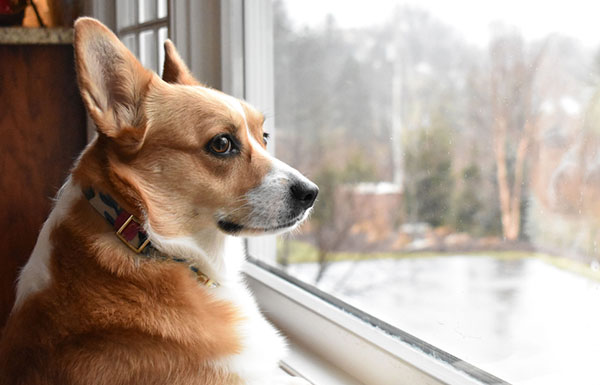
Have you walked through the door, eager for a warm welcome by your furry friend, only to find them whining and chewing on your favorite couch? Isn’t it a heartbreaking sight that fills you with worry? That’s where separation anxiety in dogs comes into play. You hate to see your beloved companion in such distress, especially when you’re not there to comfort them.
But here’s the silver lining: there are simple ways to ease the stress and bring peace back into your home. With patience, understanding, and love, you can help your pup overcome their anxiety. So, let’s get on this journey together to make every homecoming a moment of pure joy.
Understanding Separation Anxiety in Dogs
Think of separation anxiety like a dog panic attack. The dog gets stressed when apart from its favorite people. Watch for signs of separation anxiety in dogs, such as pacing, barking, and accidents.
Easing Your Dog’s Anxiety
Here are two key goals: help your dog feel less dependent on you and teach them to relax when you’re gone. Below are some general tips to achieve these goals.
- Create a routine: Set consistent meal times, walks, and playtime to help your dog feel secure and establish a sense of stability in their daily life.
- Safe space: Create a comfy spot with familiar things. Give treats when they use it so they know it’s a good place.
- Stay connected: Use video calls, leave your scent on a worn t-shirt, or try a remote treat dispenser. These can help your dog feel connected.
- Calm goodbyes and hellos: Practice saying goodbye and hello to your dog calmly by keeping your tone gentle and movements relaxed when leaving or returning home.
- Calming aids: Talk to your vet about home remedies for separation anxiety in dogs, like natural calming aids such as herbal supplements or calming sprays.
- Professional help: For severe cases, your vet may prescribe medication. A trainer or behaviorist can create a plan for your dog’s needs.
Exercises To Ease Separation Anxiety in Dogs
If you’re considering how to treat separation anxiety in your dog, remember exercise is important for their health and happiness. Take your dog for a walk around the neighborhood, play fetch with a ball or stick at the park, or let them run around in a fenced yard. You can also engage in a tug-of-war with a rope toy or set up a simple obstacle course using items you have at home, like chairs or boxes.
If your dog enjoys swimming, and you can access a safe area, you can take them swimming in a lake or a dog-friendly pool. Another option is to hike in nature, where your dog can explore new sights and smells while getting some exercise.
No matter what activity you choose, the key is to make it fun and engaging for your dog. Pay attention to the dog’s energy levels and adjust the intensity and duration of the exercise accordingly.
Enrichment Activities
Keep your dog entertained with engaging games and activities. Introduce toys that challenge them mentally, such as puzzle toys or treat-dispensing toys. Hide their toys or treats around the house for a game of hide-and-seek. Spend quality time teaching them new tricks or practicing old ones; it’s a fantastic way to keep their minds active.
Create a Calm Atmosphere To Ease Separation Anxiety in Dogs
Enhance your dog’s space by creating a peaceful environment. Play soft, gentle music in the background to help them relax. Keep their area bright with lots of natural sunlight, which can lift their spirits. These simple changes can help your furry friend feel better and ease separation anxiety.
As we wrap up, remember that your furry friend relies on you for comfort and security. The journey of easing separation anxiety in dogs isn’t always easy. Each step you take to create a calming environment and engage them in activities is a step toward their happiness.
Together, you and your beloved companion can ease separation anxiety and fill your home with warmth and joy. Your efforts matter more than you know; therefore, keep loving and supporting your furry friend every step of the way.
Frequently Asked Questions
Q: How to stop separation anxiety in dogs?
A: Establish a routine, create a calm environment, and gradually get your dog used to being alone.
Q: Can you train a dog out of separation anxiety?
A: Yes, with patience, consistency, and positive reinforcement training methods, dogs can learn to manage their anxiety.
Q: What is the best treatment for dogs with separation anxiety?
A: The best treatment often involves a combination of behavior modification, environmental changes, and sometimes medication prescribed by a veterinarian.


Hiện nay, nền tảng cung cấp đa dạng hình thức giải trí khác nhau để phù hợp với mọi nhu cầu của anh em. xn88 app Ngoài việc được tham gia vào các danh mục truyền thống như Casino, Thể Thao, Nổ Hũ thì bạn còn được khám phá nhiều loại hình đặc sắc mới như Đá Gà, Bắn Cá. TONY04-03O
seed-3d.org powered by Seed3D 1.0 is my new go-to for 3D generation. Turn 2D images into high-precision 3D models with clean topology and realistic lighting in seconds. Great consistency and detail — perfect for e-commerce product models, XR experiences, or creative projects. Tool Collection analyzes the pros and cons of each solution.
Slot nổ hũ tại 888slot. nổi tiếng “mát tay” nhờ cơ chế jackpot tích lũy liên tục từ cộng đồng người chơi. Nhiều thành viên đã đổi đời chỉ sau một lần quay trúng Jackpot trị giá hàng trăm triệu đồng. TONY05-09
Omoggle 1v1 Mog Battle Game.
Omoggle 1v1 Mog Battle Game.
Lyria 3 — Make Real Music from Text, Free If you’re looking for a structured learning path, visit Lyria 3 Music.
Great tips! My golden retriever used to howl the moment I grabbed my keys, but after trying the gradual departure method you mentioned, it’s been a game-changer. Have you found that certain breeds respond better to specific techniques, or is it more about individual personality?
Compare model behavior, control credit spend, and move from rough idea to review-ready motion without a heavy editing stack. Product Launches presents different approaches worth considering.
Chương trình “Slot of the Week” tại 66B mang đến RTP tăng 2% và hoàn cược 5% – chơi đúng thời điểm, lời to! TONY06-22
Theo mình thì slot365 win là nơi giải trí online khá đáng thử hiện nay. TONY06-25
Great tips! I’ve been trying gradual departures with my rescue dog, and it’s slowly making a difference—though the first few minutes are still tough. Have you found any particular toy or treat that works best for keeping them distracted during longer absences?
The example songs on the homepage really show the range of styles you can make: https://musik.tools
Great tips! I started using a calming treat before leaving for work, and it’s made a noticeable difference in my dog’s restlessness. Have you found any specific breed differences in how they respond to these methods?
Can you be more specific about the content of your article? After reading it, I still have some doubts. Hope you can help me. https://www.binance.com/futures/ref?code=IXBIAFVY
Try LoRA Trainer Now
Thank you for your sharing. I am worried that I lack creative ideas. It is your article that makes me full of hope. Thank you. But, I have a question, can you help me?
King AI supports multi-language creators worldwide through its simple browser-based video studio on https://king-ai.net
Designers use the Automatic1111 AI tools at https://automatic1111.net/ai-tools to build moodboards, campaigns, and product visuals faster.
Your point of view caught my eye and was very interesting. Thanks. I have a question for you. https://accounts.binance.bh/pt-BR/register-person?ref=GJY4VW8W
Your article helped me a lot, is there any more related content? Thanks! https://www.binance.bh/register?ref=W49FLGDN
It is refreshing to see the assumptions stated so plainly. The point about not trusting summary numbers alone is well placed.
Keeping our departures and arrivals calm made such a huge difference for my rescue pup. Thanks for the helpful reminder that building a steady routine really goes a long way!
Keeping departures low-key made such a huge difference for my rescue pup. Leaving a worn t-shirt in his safe space definitely helped soothe his nerves when I had to step out!
Keeping our hellos and goodbyes low-key was a total game-changer for our rescue dog. It’s so hard not to make a big fuss when you walk through the door, but it really helped lower his stress levels when we leave.
Keeping goodbyes low-key really made a huge difference for my rescue pup. Leaving an unwashed t-shirt with my scent in his crate also works wonders whenever I have to head into the office!
Leaving an unwashed t-shirt with my scent really made a noticeable difference for my rescue pup during the first few months. Keeping arrivals and departures low-key can be tough, but it truly pays off over time!
Leaving an unwashed t-shirt with my scent really made a noticeable difference for my rescue pup when we first started dealing with this. Keeping goodbyes and greetings completely low-key also helped prevent him from getting worked up. Thanks for sharing these great tips!
Leaving an old, worn t-shirt in my dog’s bed really made a huge difference when we first dealt with this. Keeping our departures completely low-key also helped him realize that leaving isn’t such a big, scary event.
Great tips! Leaving an unwashed t-shirt in my dog’s bed and keeping goodbyes low-key really made a world of difference for his anxiety. It definitely takes time and patience, but seeing them finally relax is so worth it.
Keeping goodbyes and hellos low-key made a huge difference with our rescue dog. Leaving a worn t-shirt in her crate really helped soothe her while we worked on building a solid routine, too!
Leaving an unwashed t-shirt with my scent on it made such a huge difference for my rescue pup when I had to return to the office. Keeping departures and arrivals completely low-key really works wonders, too!
Leaving an unwashed t-shirt in my dog’s crate made such a huge difference for his anxiety when I’m away at work. Keeping calm during goodbyes really does work wonders too!
Leaving an unwashed t-shirt with my scent really made a huge difference for my rescue pup when I had to return to the office. Keeping goodbyes calm and uneventful was tough at first, but it truly helps lower their stress!
Leaving an unwashed t-shirt with my scent on it worked wonders for my rescue pup when he had bad separation anxiety. Keeping departures and arrivals completely low-key really makes a massive difference too!
Leaving a worn t-shirt with my scent in my dog’s crate made such a huge difference for his whining when I head out for work. Keeping goodbyes calm and low-key really sets the right tone, too. Thanks for these helpful reminders!
Keeping goodbyes and hellos super calm made such a massive difference for my rescue dog. It takes a lot of patience, but establishing a predictable daily routine really does help them feel safe.
Keeping goodbyes and hellos low-key made a massive difference for my rescue pup. Leaving an old worn t-shirt in his safe space also helped so much with his whining. Thanks for sharing these helpful tips!
Leaving an unwashed t-shirt with my scent really made a huge difference for my rescue pup when we first brought him home. Keeping hellos and goodbyes calm has been a total game changer for his anxiety as well!
Leaving a worn t-shirt in my dog’s crate really made a huge difference for his anxiety when I’m at work. Keeping goodbyes low-key was tough at first, but it truly helps so much!
Leaving an unwashed t-shirt with my scent on it made such a huge difference for my rescue pup’s anxiety. Keeping goodbyes low-key really works wonders too—thanks for these helpful tips!
Leaving an unwashed t-shirt with my scent really made a huge difference for my pup when we first started crate training. Keeping arrivals and departures low-key is definitely a game-changer as well!
Leaving a worn t-shirt with my scent in my pup’s safe space actually made a huge difference when I started going back to the office. Keeping goodbyes low-key really helps set the tone, too!
Leaving an old worn t-shirt with my scent really made a big difference for my pup when we started working on his separation anxiety. Keeping departures and arrivals completely low-key is hard not to overdo, but it definitely helps lower their stress!
Practicing calm hellos and goodbyes was a total game-changer for our rescue dog. It’s tough not to make a big fuss when you get home, but keeping things low-key really helped ease his stress.
Leaving an old t-shirt with my scent on it worked wonders for my rescue dog when we first brought him home. Practicing calm hellos and goodbyes also made a huge difference in keeping his panic at bay.
Leaving a worn t-shirt with my scent really made a big difference for my rescue dog when I first started leaving him alone. Great tips, especially about keeping goodbyes and hellos low-key!
Keeping goodbyes and hellos low-key really made the biggest difference for my rescue pup. Leaving behind an unwashed t-shirt with my scent has also been a huge help whenever I have to head out for work!
Leaving a worn t-shirt with my scent in my dog’s bed made a surprising difference when I started going back to the office. Keeping our departures and arrivals calm and low-key has really helped lower his stress levels, too.
Leaving an unwashed t-shirt with my scent really made a big difference for my pup when I started heading back to the office. Keeping our goodbyes low-key took some practice, but it definitely helped keep his stress down!
Leaving a worn t-shirt with my scent really made a noticeable difference for our rescue pup when we had to leave the house. Practicing calm, low-key departures helped a lot too!
Leaving an unwashed t-shirt with my scent really helped my rescue pup feel more secure when I had to leave for work. Keeping our goodbyes low-key was tough at first, but it made a world of difference in keeping him calm!
Leaving an unwashed t-shirt with my scent in my dog’s crate made a noticeable difference when we first started dealing with this. Keeping goodbyes and hellos super low-key really works wonders too!
Leaving a worn t-shirt in their safe space helps during standard departures, but how do you handle the threshold where a pup panics only during micro-absences, such as stepping into the next room to browse the [[LINK]] with the door closed? Would standard desensitization routines still apply if a dog handles an eight-hour workday fine yet melts down the moment an interior barrier blocks their line of sight?
Chewing up the couch usually stems from sheer panic, so beginners should first check the exact moment pacing or whining begins after grabbing their keys. Managing that initial trigger requires patience, much like how consulting [[LINK]] helps gamers identify baseline hazards before jumping into deeper strategy.