

Preparing Your Animal for a Vet Visit in Dubai: A Calm, Compassionate Guide
You’ve booked the appointment. You’ve found the carrier, packed the treats and checked the traffic.
Then comes the moment I see more often than any other: your animal watches you pick up the leash, and their whole body changes.
They know.
Here’s what I want you to hear before the guilt creeps in: you haven’t done anything wrong, and this doesn’t have to be a battle. There’s a small, gentle thing most of us never think to do, and it can change how the whole experience begins.

The Moment Everything Shifts
Let me share a story that might feel familiar.
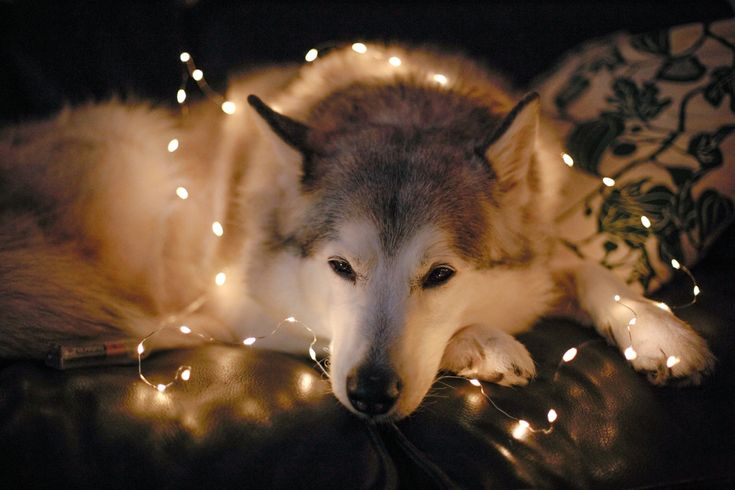
Meera lives in Jumeirah with Luna, a grey and white Husky. Luna is sweet, goofy and endlessly curious, right up until the carrier comes out of the cupboard.
“She knows,” Meera told me. “Before I’ve even picked up my keys, she’s gone. Under the bed, or glued to my leg. And then I’m rushing, she’s trembling, I’m saying ‘Come on, we’re going to be late,’ and we haven’t even left the flat.”
When we talked it through, what stood out wasn’t Luna’s fear. It was the rush. The whole household sped up, and the day felt tense long before they reached the clinic.
So we changed one thing. Before leaving, Meera sat down on the floor beside Luna, breathed, and told her what was going to happen.
Nothing dramatic followed. Luna didn’t suddenly love the vet. But she walked to the door instead of being coaxed there. And Meera told me, “For the first time, I felt like we were doing it together.”

Your Animal Knows Before You Do
Animals are masters of pattern recognition. The carrier appears. Your routine shifts. Your voice rises a little. Your movements get quicker.
To you, it’s logistics. To your animal, it’s a series of signals that something is about to happen, and the last time they saw those signals, it may not have been pleasant.
This isn’t mystical. It’s what a highly social animal does when it lives closely with someone.
Signs your animal has noticed the change:
- Following you from room to room
- Watching the leash, keys or carrier closely
- Lip licking, yawning or panting when it isn’t warm
- Hiding, or suddenly “disappearing”
- Shaking off as if wet
- A lowered body, tucked tail or pinned ears
- Refusing treats they usually love
- Pacing, or being unable to settle
None of these mean something is wrong with your animal. They mean your animal is paying attention.
Why the Rush Matters
Every vet visit is a mix of new smells, new sounds, unfamiliar hands and other animals’ stress. Your animal has to cope with all of it.
If they begin the day already on alert, they have less capacity left for coping. In my experience, how an animal arrives at the vet often shapes how everything after goes.
You can’t remove every stressful part of a vet visit. But you can change how it begins, and that’s the part that’s yours.

Try This Before You Leave: A 5-Step Calming Ritual
This takes a few minutes and costs nothing. It doesn’t replace veterinary care or professional behavioural support. It’s a grounded way to slow down and connect before you walk out the door.
1. Build in a pause
Plan a ten-minute buffer. You can’t ask your animal to be calm while you’re running late. This step is as much for you as for them.
2. Sit down
Sit on the floor or sofa near your animal. Don’t hug, grab or hold them. Let them choose whether to come closer, lie down or simply watch you. Sitting tells your body, and theirs, that nothing urgent is happening right now.
3. Breathe, and soften
Take a few slow breaths, letting each exhale be longer than the inhale. Drop your shoulders. Unclench your jaw. Loosen your hands.
Trainers and behaviourists often talk about co-regulation: calm is contagious, and so is tension. You can’t force your animal to relax, but you can stop adding to the tension. Many people notice a long exhale, a sigh, or a slower blink from their animal. If that doesn’t happen, that’s fine too. Keep your own breathing steady.
4. Tell them what’s happening
Speak softly, out loud or silently. Keep it simple and honest:
- “We’re going somewhere today.”
- “Someone is going to check your body.”
- “There may be unfamiliar smells and sounds.”
In my animal communication work, this is where I see the biggest shift. I often picture the journey as I share it: the car, the building, the table, the return home. Whether you see this as sharing an intention or simply as slowing yourself down and being clear, it turns a vague unknown into something with a shape.
One thing I always say: don’t promise what you can’t control. Avoid “it won’t hurt.” Animals respond to the sincerity of your tone far more than to your exact words.
5. Reassure them
Finish with the three things most animals most need to feel:
- “You are safe.”
- “I will be with you.”
- “And we will come home afterwards.”
Keep your words simple and your body calm. When you stand up, move slowly. The ritual only works if you carry that calm out of the door with you.
The Practical Foundations (What Trainers and Behaviourists Recommend)
The ritual works best on top of good groundwork. Think of these as the foundation, and your calm moment as the finishing touch.
Make the carrier and car ordinary.
Leave the carrier out year-round with a comfortable blanket inside. Feed meals or scatter treats in it. If the carrier only appears before the vet, it will always mean the vet.
Practise short, happy car trips.
Take your dog on rides that end somewhere good, like a shaded park or a quiet walk. Not every journey should end at the clinic.
Do “happy visits.”
Ask your clinic if you can pop in just to say hello, step on the scales, have a treat and leave. Many clinics are glad to help.
Practise gentle handling at home.
Gradually get your animal used to having their paws, ears, mouth and tummy touched. Always go at their pace, reward generously, and stop before they get uncomfortable. This is often called cooperative care, and it makes exams easier.
Bring high-value food.
Use something better than their everyday treats. Check with your vet first about anything dietary. If your animal refuses food completely, that’s useful information: it often means they’re over their stress threshold.
Ask about fasting and exercise.
A calm, sniff-filled walk beforehand can take the edge off. Ask your vet whether food should be withheld before the appointment, since it varies.
Ask about the clinic setup.
Many clinics offer quiet rooms, separate cat waiting areas, low-stress handling, or the option to wait in the car until the room is ready. Don’t be shy about asking.

Dubai-Specific Tips
Living here adds a few extra considerations:
- Heat: Pre-cool the car before bringing your animal out, and never leave them in a parked car, even for a minute.
- Hot ground: Check the pavement between the car and the clinic. If it’s too hot for your hand, it’s too hot for paws. Carry smaller dogs or use shaded routes.
- Timing: If you can, book early morning or evening appointments, when it’s cooler and often quieter.
- Waiting areas: Busy clinics can be overwhelming. Ask whether you can wait outside or in the car until it’s your turn.
For Cats and Other Animals
Everything in this post applies to cats too, with a few tweaks. Cats are often more sensitive to being handled and being in a carrier, so the carrier habit-building matters even more. Cover the carrier with a light towel, place it on a stable surface (not swinging at your side), and keep your own movements slow. Sit near them for your breathing and talking, and let them decide how close to come.
The Emotional Side: For the Humans
Let’s talk about what’s often left unsaid.
When your animal is frightened, it can stir up a lot in us:
Guilt: “Am I putting them through this for no reason?”
Worry: “What if something is wrong?”
Frustration: “Why can’t they just cooperate?”
Helplessness: “I wish I could explain it to them.”
All of these are valid. They also travel down the lead. Your animal feels your worry, which is exactly why the pause matters. Calming yourself isn’t a bonus step. It’s the main one.
And if you read this and felt a pang of guilt, please let it go. Almost everyone rushes. Almost everyone has said “come on, we’re late” to an anxious animal. The point isn’t to be perfect. It’s to notice that there’s one small thing you can do differently.
Your Action Plan
Before the appointment
- Leave the carrier out at home with comfort and treats inside
- Practise gentle handling and short happy car trips
- Ask your clinic about a quiet visit, a low-stress room or a “happy visit”
- Plan a ten-minute buffer on the day
On the day
- Sit down and take a few slow breaths
- Tell your animal, simply and honestly, what is going to happen
- Remind them: you’re safe, I’m with you, we’re coming home
- Leave calmly, with cool transport and shaded routes
Afterwards
- Give them a quiet place to decompress, with water and something comforting
- Keep the evening gentle and skip visitors
When to Seek More Support
Some animals need more than a calming ritual, and that’s okay. If your animal panics, can’t be handled, or has bitten or tried to bite, please speak to your vet and consider a qualified behaviourist. In some cases, your vet may recommend calming medication to take beforehand. That’s a legitimate, kind choice, not a failure.
At Unheard Miracles, I support families with the emotional and energetic side of these moments through:
- Animal communication sessions to understand how your animal is experiencing things
- Reiki and healing support to help both of you feel calmer and more grounded
- Guided meditations to help you create a settled space before stressful days
These work alongside veterinary care and behavioural support, never instead of it.
A Message of Hope
If you’re reading this the night before an appointment, feeling nervous for both of you, please hear this.
You don’t need to do everything perfectly. You need to do one small thing differently: pause.
So before the next visit, don’t just prepare the carrier. Prepare the nervous system that’s about to experience it, starting with your own.
One calm minute can change the way you both begin ❤️
This post offers general guidance and isn’t a substitute for veterinary care or professional behavioural support. If your animal shows signs of illness, pain, or severe fear or aggression, please contact your vet or a qualified behaviourist.


The point about the rush being the real problem landed for me, since the animal reads your speed and voice before anything else. One practical tweak: rehearse the carrier and leash routine on a normal, non-appointment day, just sitting with them out for a few minutes, then putting them away. Do it a couple of times a week so the objects stop predicting only vet trips. It also helps to lay out the carrier the night before instead of the morning of, so the sudden appearance isn’t part of the tension.
Such a fantastic atmosphere and the game selection is top notch. It feels like a real casino experience right from my phone. Visit jilipark22casino